Skip to content
Book a call
Menu
Services
Search SEOAEO / GEO Paid media Google AdsGPT / AI AdsSocial AdsProgrammaticAmazon AdsYouTube Ads Build & convert Web DevelopmentCROContent Marketing Grow & retain Email MarketingDemand GenerationReputation Management All services
Industries
Home Services · 27 playbooksHealth & Wellness · 21 playbooksLegal · 13 playbooksCannabis · 12 + ultimate guideProfessional Services · 11 playbooksEcommerce & DTC · 15 playbooksFinancial Services · 12 playbooksHospitality · 11 playbooksSenior Care · 10 playbooksEducation & Childcare · 10 playbooksStartups · 11 playbooksReal Estate · 11 playbooksFranchise · 11 playbooks All industries
Pricing
Resources
Ultimate guides Cannabis MarketingHow to Rank in ChatGPTHome Services Marketing Learn & verify BlogGlossaryCompareToolsCase studies All guides
About Are we a fit? Search Book a call
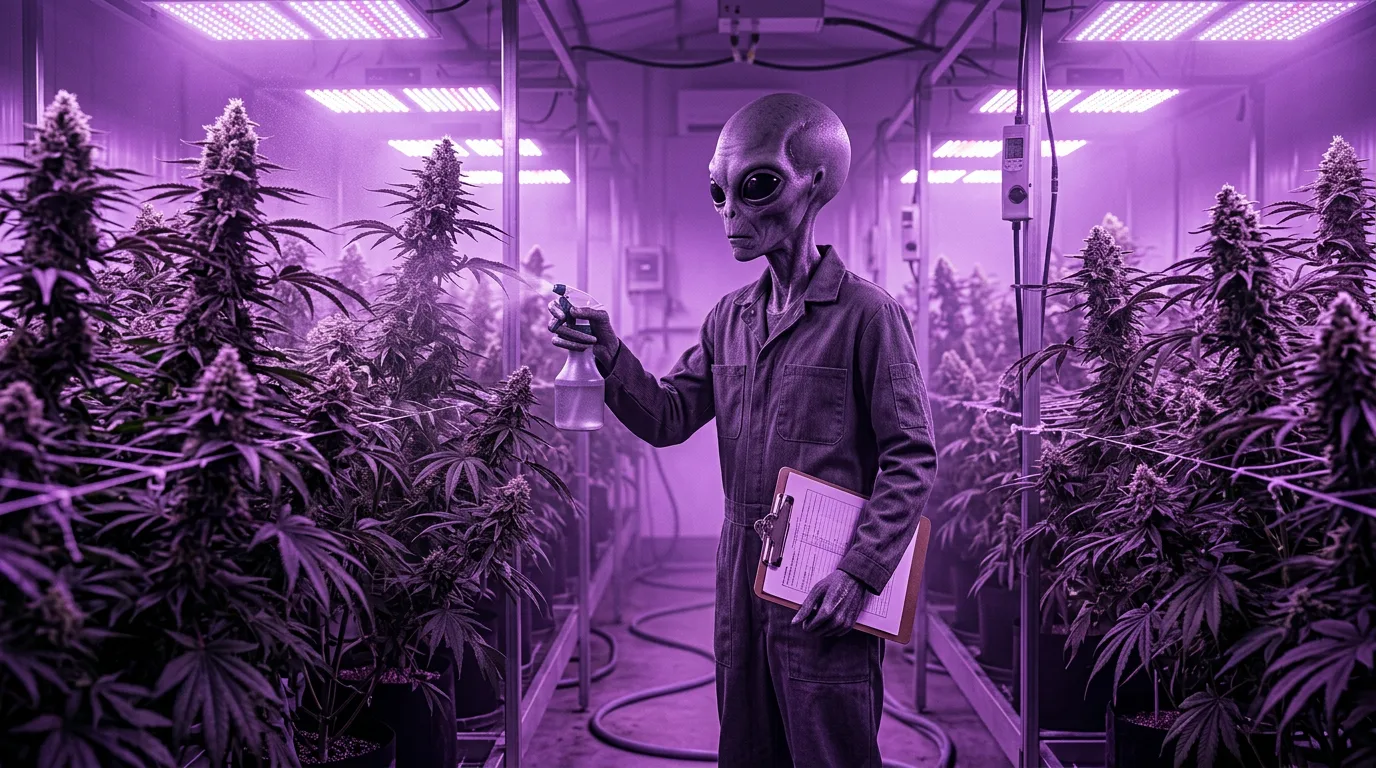
A grey alien in a lab coat holds up a cannabis sample and carries a clipboard while walking through a purple-lit commercial grow room.
Article

Cannabis Advertising Laws: Where You Can Legally Advertise in 2026

You can legally advertise cannabis through channels that are not bound by the federal ad bans: organic SEO and content, AI-answer visibility, compliant programmatic on cannabis-friendly networks with age-gating and geo-fencing, and age-verified owned email and SMS. Google and Meta prohibit paid THC advertising because cannabis is federally Schedule I, regardless of state legality. Every channel must follow your state’s specific rules, including 21-plus age-gating, audience-composition limits, and a ban on unsubstantiated health claims.

By Rob Burke 5 min read Updated Jun 12, 2026

The single most expensive mistake in cannabis marketing is assuming that "legal in my state" means "allowed on this platform." It does not, and the gap between the two is where accounts get banned, ad spend gets wasted, and brands get into real regulatory trouble. This guide lays out the cannabis advertising laws clearly: why the rules are the way they are, what the major platforms permit, and the channels where you can legally and reliably advertise cannabis right now. It is a map, not legal advice, always confirm the specifics with your state's current regulations and your own counsel.

The legal landscape
Legal locally, restricted nationally
24 + DCStates plus D.C. with legal adult-use cannabisas of Nov 2024
~38States with medical cannabis programscomprehensive programs
Schedule IFederal classification driving the ad banswhy platforms say no
Sources: DISA state-law tracker, 2024; US Controlled Substances Act.

Why cannabis advertising laws are so restrictive

Cannabis is legal for adult use in 24 states plus Washington, D.C., and for medical use in roughly 38 states. But it remains a Schedule I controlled substance under federal law. That single fact drives almost everything about cannabis advertising. National advertising platforms (Google, Meta, and most of the traditional ad ecosystem) operate across all states and answer to federal law, so they apply one blanket policy: no advertising for the sale or use of a federally illegal product, regardless of where it is legal locally.

This is why your perfectly compliant, state-licensed dispensary still cannot buy a normal Google or Facebook ad. The platforms are not making a moral judgment about your business; they are managing federal legal risk across their entire network. Understanding that removes the temptation to "find a loophole," because the loophole does not exist, and the channels that do work are better anyway.

What the major platforms allow

Here is the honest, current state of the big platforms. Policies change, so treat this as the shape of things and verify before you spend.

  • Google Ads: Prohibits ads that promote the sale of cannabis or THC. A narrow exception exists for certain topical, hemp-derived CBD products (under 0.3% THC) that obtain LegitScript certification, and only in specific states. Recreational and medical cannabis advertising is not permitted.
  • Meta (Facebook and Instagram): Prohibits ads for the sale or use of THC and cannabis. CBD ads require prior written authorization plus LegitScript certification and are US-only with age restrictions. Organic (unpaid) brand pages are allowed but must avoid promoting sales, and accounts that cross the line get restricted.
  • The pattern: Across the mainstream platforms, the line is consistent. Paid promotion of THC products is off-limits because of federal status; limited, certified CBD is sometimes permitted; and organic presence is allowed but constrained.

The channels where you can legally advertise cannabis

The good news is that "no Google and Meta ads" is not the same as "no marketing." These channels are open, effective, and largely outside the platform bans:

  • Organic search and content (SEO). No ad policy gates who ranks. Build the pages and content that answer what your customers search, and you earn visibility you cannot be banned from.
  • AI answer visibility (AEO). AI engines cite trustworthy sources and run no cannabis ad ban, because nobody buys an ad inside an answer. Clear, expert content can get your brand named in front of a huge audience.
  • Compliant programmatic. Cannabis-friendly demand-side platforms run display, video, and connected-TV ads with age-gating (21-plus) and geo-fencing to legal states built in. This is real paid reach the mainstream networks will not sell you.
  • Owned email and SMS. With explicit opt-in and age verification, these are fully yours and follow only the carrier, platform, and state messaging rules, not a national ad ban.
  • Out-of-home, events, and sponsorships, where permitted by your state.
The full playbookCannabis marketing that grows inside the rules, not around themRead the pillar guide

The compliance rules that apply almost everywhere

Whatever channel you use, a few rules show up in nearly every state's cannabis advertising regulations. Build for these from the start:

  • Age-gate everything to 21-plus (or the medical equivalent): your site, ads, email, and SMS.
  • Audience composition. Many states require that a high percentage of an ad's audience be of legal age, which is why blunt mass channels are risky and targeted, age-verified ones are safe.
  • Geo-restrict to where you are licensed to sell.
  • No claims you cannot substantiate, especially health claims. "Cures," "treats," and medical promises are a fast path to trouble.
  • Follow your specific state's rules on where ads may appear, what they may say, and required warnings. State regulations vary widely and change often.

Where to start

If you are building a cannabis marketing program, start from the channels that are both open and durable: a compliant, age-gated, search-optimized website and content engine, owned email and SMS, and compliant programmatic for paid reach. Layer organic social and real-world marketing where your state allows. Skip the hunt for a way onto Google and Meta paid, it is not there, and the channels that are will serve you better and longer.

For dispensaries specificallyHow to market a dispensary when the ad platforms will not take your moneyRead the dispensary playbook


Answers

Frequently asked

Can you legally advertise cannabis in the US?
Yes, on the right channels. You cannot run paid Google or Meta ads for THC products because cannabis is federally Schedule I, but you can legally market through organic SEO and content, AI-answer visibility, compliant programmatic networks with age-gating and geo-fencing, and age-verified email and SMS. Each channel must follow your state’s specific advertising regulations.
Why won’t Google and Facebook run cannabis ads?
Because cannabis remains a Schedule I substance under federal law, and these platforms operate nationally and apply one blanket policy to manage federal legal risk. State legality does not change their position. Google allows only narrow, certified topical CBD advertising in limited states; Meta allows certified CBD with prior authorization. Paid THC advertising is prohibited on both.
Which channels can cannabis brands advertise on?
Organic search and content (SEO), AI-answer optimization (AEO), compliant programmatic display and connected-TV via cannabis-friendly demand-side platforms, age-verified email and SMS, and, where state rules permit, out-of-home, events, and sponsorships. These channels are either outside the platform bans or designed with the required compliance controls built in.
What are the main cannabis advertising compliance rules?
Across most states: age-gate everything to 21-plus (or the medical equivalent), meet audience-composition requirements so most viewers are of legal age, geo-restrict to states where you are licensed, avoid unsubstantiated claims (especially health claims), and follow your state’s specific rules on placement, content, and required warnings. The specifics vary by state and change often.
Is CBD advertising treated the same as cannabis?
No. Some hemp-derived CBD products (under 0.3% THC) can be advertised in limited ways: Google permits certain certified topical CBD ads in specific states, and Meta permits certified CBD ads with prior authorization. THC and marijuana products face the full prohibition. Always verify current platform policy and your state’s rules, as both evolve.
Will federal legalization change cannabis advertising?
It would likely loosen the platform bans over time, since the bans stem from cannabis’s federal Schedule I status. But timing and specifics are uncertain, and state-level advertising regulations would still apply. The practical move is to build durable channels you control now (SEO, content, owned email and SMS, AI visibility) so your marketing does not depend on a federal change you cannot time.
Your move

30 minutes. Let us see if we are a fit.

This is not a canned pitch. We want to hear about your business, your goals, and where you are stuck, then tell you honestly how we would help, or if we are not the right fit. You will talk to a founder, every time. Zero pressure, zero BS.

  • A founder on the call, never a sales rep
  • We learn your business before we pitch anything
  • A straight answer on whether we can help
Free30 minutesNo obligationA reply within a business day
Rob BurkeRoger CooneyRob or Roger. The founders. Every time.
Calendar warming up…Book a strategy call